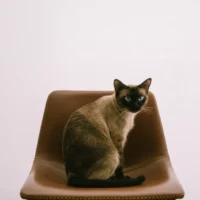


A clean litter box might not be glamorous, but it’s a must for our feline friends. In fact, Fluffy’s powder room is crucual to keeping your cat happy and healthy. At Hobe Sound Veterinary Clinic, our veterinary hospital in Hobe Sound, FL, we have treated several kitties with litterbox issues. With the right approach, you can prevent problems, support good habits, and maintain a healthy environment for your feline companion.
Whether you’re focused on training cats to use the litter box or just looking for a better understanding on cats’ bathroom behavior, small improvements can add up and make a big difference in your kitty’s well-being.
Why Litter Box Care Matters
Cats are naturally clean animals. When their litter box isn’t up to their standards, they may refuse to use it. This of course leads to frustration for owners. Poor litter box maintenance can also contribute to health problems, such as urinary tract infections or constipation.
A clean, accessible, and comfortable litter box encourages regular use. It also gives you important insights into your cat’s health. Pay attention to what you find when cleaning. Any changes in the amount, color, odor, or consistency of your pet’s waste could signal a medical issue. Even subtle changes in urination or defecation habits can be signs of illness. Contact your vet immediately if you notice anything amiss.
Training Cats to Use A Litter Box
Most kittens pick up litter box use quickly. Kitties instinctively bury their waste in the wild; this helps hide their scent, which helps ward off predators. However, some cats do need extra guidance.
Introduce the litter box early. This ideally should happen by 3 to 4 weeks of age.
- Place the kitten in the box after meals and naps to establish routine.
- Use unscented, fine-grain litter that feels comfortable on paws.
- Reward with praise or treats when your kitten uses the box correctly.
- Avoid punishment for accidents, which creates fear instead of learning.
Even adult cats adopted from shelters usually adapt quickly when shown where the litter box is located.
Choosing the Right Litter Box
Not all litter boxes are created equal. Choosing the right one is essential for good cat litter box care.
When shopping, be sure to choose one that is the right size. The box should be at least 1.5 times the length of your cat. Some cats prefer open boxes for visibility, while others enjoy the privacy of covered ones. Low-sided boxes are ideal for kittens, seniors, and cats with mobility issues.
If you have more than one cat, you’ll need more than one box. The general rule is one box per cat, plus one extra.
Litter Box Hygiene Tips
Cleanliness is the number one rule of litter box care. Cats are not only clean, they also have very sensitive (and cute) noses. Many will avoid dirty boxes.
We would recommend that you scoop waste daily, and replace the litter completely every 1–2 weeks. Always wash the box with mild soap and warm water before refilling with fresh litter. Avoid strong-scented cleaners, which may deter use.
Location also matters. Keep boxes in quiet, accessible locations, away from loud appliances or high-traffic areas.
A clean box means a happy cat … and a fresher-smelling home.
Understanding Cat Bathroom Behavior
Cats may reveal quite a bit through their litter box habits. Changes in cat bathroom behavior can signal stress, health issues, or dissatisfaction with the box. It’s important to know what to watch for. One red flag is straining to urinate. This may indicate urinary tract problems, such as blockages, which are a life-threatening medical emergency. Other warning signs include frequent small urination, which is a potential sign of bladder irritation. Blood in urine or stool warrants immediate veterinary attention.
Avoidance of the box can have various causes: this can be behavioral, medical, or environmental. Defecating outside the box may be a sign of constipation or stress, assuming the box is clean.
Any of these things should warrant an immediate call to the vet.
Purina has a good piece on litterboxes, which you can read here. You can find out more about the do’s and don’ts of litterbox setups at the ASPCA website here.
Multi-Cat Household Considerations
Litter box care gets more complex in multi-cat homes. Kitties don’t like sharing bathrooms. Provide multiple boxes in different areas to reduce competition. Avoid placing boxes side by side, which may feel like shared space. You’ll also need to monitor for resource guarding, which is when one cat prevents another from using the box.
Reducing stress around litter boxes helps maintain harmony in multi-cat households.
Troubleshooting Common Litter Box Problems
Even with good habits, issues can arise. If your pet is having accidents outside the box, you’ll want to rule out medical issues first, then evaluate cleanliness and placement. Coping with strong odors? Try clumping litter, use baking soda or liners, or clean more frequently. Plants and air fresheners can help, though the biggest thing is going to be keeping the box clean. If your feline pal is tracking litter around, place mats outside the box or choose low-tracking litter.
Patience and observation go a long way toward resolving problems.
Remember, while the litterbox isn’t the best part of having a cat, there is a lot to be said for the fact that kitties are so clean. They also don’t need much grooming. (Click here to see our archived blog on bathing and grooming cats.)
Fun Fact: Cats Bury Waste to Avoid Predators
In the wild, cats instinctively bury their waste to avoid attracting predators. This natural behavior explains why most cats take quickly to litter boxes without much training.
FAQs About Cat Litter Box Care
How many litter boxes should I have for two cats?
At least three. The rule is one per cat, plus one extra.
Do cats prefer scented or unscented litter?
Most prefer unscented litter, as strong smells can be overwhelming.
How often should I clean the entire litter box?
Wash and refill it every 1–2 weeks, depending on use.
Why does my cat go outside the litter box?
It may be due to cleanliness issues, stress, or medical conditions. Always consult your veterinarian if the behavior persists.
Can kittens be litter trained easily?
Yes. Most kittens learn quickly, especially when introduced at a young age.
Visit Our Hobe Sound Veterinary Clinic
If you’ve been searching for a “vet near me”, Hobe Sound Veterinary Clinic is here to help. Serving Hobe Sound, FL, our veterinarians are dedicated to helping you keep your cat happy and healthy. Call today to schedule a wellness exam and keep your feline friend healthy and happy.
Click here to visit our Service page and find out more about our clinic and the animals we treat. You can also go here to learn more about our Nutrition and Weight Management services.
This blog is for informational purposes only. Always consult your veterinarian for diagnosis, behavior guidance, and medical care tailored to your cat’s needs.