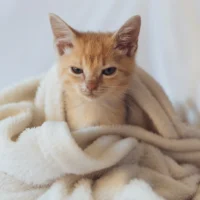


One of the best things about kitties is the fact that they are so clean. Cats are famous for being meticulous groomers, but that doesn’t mean they never need a little human assistance. At Hobe Sound Veterinary Clinic, we are always happy to offer kitty care tips. Regular brushing, nail trimming, and even the occasional bath can all help Fluffy look (and feel) her best. With the right tools, timing, and approach, you can teach your feline pal how tolerate (and maybe even enjoy) grooming sessions.
Proper grooming does more than improve appearances. It prevents mats, reduces shedding, and supports skin health. Those brushing sessions also provide opportunities to spot early health concerns.
Whether you’re interested in bathing cats safely, working on grooming long-haired cats, or simply learning the best feline grooming steps, this blog from a Hobe Sound, FL, veterinarian will help you fine-tune your kitty’s beauty care regimen.
Why Cat Grooming Matters
Cats may spend hours cleaning themselves, but self-grooming isn’t always enough. Over time, loose hair can build up, mats can form, and nails can overgrow. Older or overweight cats may struggle to reach certain areas, leaving patches of fur or skin neglected. Regular grooming at home prevents matting, which can pull painfully on Fluffy’s skin. It can also help reduce hairballs, which are caused by swallowed fur during self-grooming. Plus, it can help keep your kitty from getting overgrown claws, which may snag or even grow into your kitty’s paw pads.
Adding grooming to your cat’s routine helps maintain both her comfort and herhealth.
Brushing Basics
Brushing is the cornerstone of cat grooming. It removes loose hair, prevents tangles, and reduces shedding around the house. Short-haired cats usually need brushing once a week, while long-haired cats benefit from daily or every-other-day brushing.
Tools matter, too. Slicker brushes, combs, or grooming mitts are useful: the best option will vary, depending on your cat’s coat. Always brush gently, moving in the direction of hair growth, and focus on common trouble spots like the belly, underarms, and behind the ears.
Regular brushing also provides bonding time and helps desensitize your cat to being handled, which makes grooming easier.
Bathing Cats Safely
Cats aren’t usually thrilled about baths, but sometimes they’re necessary. Cats may need a bath if they’ve gotten into something sticky, oily, or harmful, or if a skin condition requires medicated shampoo.
Here are a few things to keep in mind:
Prepare everything first, before you bring your kitty into the bathroom. Towels, shampoo, a cup for rinsing, and treats should be within reach. Next, be sure to use a cat-safe shampoo. Human products are too harsh for feline skin. It’s also important that you keep the water lukewarm. Kitties are sensitive to temperature, so what feels pleasantly warm to us may be scalding for them. When you are done, rinse your feline pal thoroughly. Leftover shampoo can irritate skin. Finally, dry your feline pal off gently with a towel, or, if she doesn’t mind, blow dry her on a low heat setting. Keep your cat in a warm room until fully dry.
For cats that strongly resist baths, professional grooming may be the best option.
Grooming Long-Haired Cats
Long-haired breeds, like Persians or Maine Coons, require quite a bit of grooming. Mats and tangles form quickly if brushing is neglected. Brush your feline pal daily with a wide-tooth comb and slicker brush combination. Work on small sections to avoid pulling and discomfort, and be sure to check Fluffy’s armpits and belly for tangles.
- Trim small mats carefully with safety scissors, but leave large mats to your vet or groomer.
- Keep fur around the hindquarters trimmed to reduce hygiene issues.
Long-haired cats often tolerate grooming better if they are introduced to the routine as kittens.
Nail Trimming and Paw Care
Nail care is an essential, but often overlooked, part of grooming. Overgrown claws can cause pain, snag on carpets, or even curl into your kitty’s paw pads. Declawing has fallen out of favor, but you can certainly clip your kitty’s nails.
Start slowly, handling your kitty’s paws regularly so she becomes comfortable. Always use a proper pet nail trimmer, not human clippers. Be careful to trim only the sharp tip, avoiding the quick (the pink area that contains nerves and blood vessels). Offer rewards, such as praise, treats, or attention, after each paw to keep the experience positive. Don’t force your feline pal to submit, though. If your feline pal wants to get away, just let her go.
If trimming feels overwhelming, your veterinary clinic can perform nail trims quickly and safely.
Ear and Eye Care
Part of feline grooming steps includes checking ears and eyes. Look at those cute ears, and check for dirt, wax, redness, or odor. Use a vet-approved ear cleaner with a cotton ball if needed. Never insert cotton swabs into the ear canal. As for eyes, just carefully wipe away discharge with a damp, soft cloth. Persistent tearing or redness should be checked by a veterinarian.
Dental Care as Part of Grooming
Though it is often overlooked, oral hygiene is critical. Dental disease is common in cats. As with people, it can lead to pain and tooth loss, and is also linked to systemic health issues.
You won’t have much luck just trying to brush your pet’s teeth out of nowhere. Slowly incorporate dental care into grooming by brushing teeth with pet-safe toothpaste or offering dental treats recommended by your veterinarian.
Adding dental checks to grooming sessions allows you to monitor for signs of kitty dental woes, such as bad breath, swollen gums, or tartar buildup. Contact us immediately if you notice anything.
Stress-Free Grooming Tips
Keeping grooming positive ensures long-term success. We suggest that you start young. Kittens that are handled regularly often accept grooming more easily. Keep sessions short. Aim for 5–10 minutes at a time. Always reward your pet generously with treats, petting, or playtime afterward. Finally, watch body language: If your feline friend flattens their ears, swishes their tail, or growls, take a break.
Patience builds trust and makes future grooming easier.
Professional Grooming and Veterinary Support
Some cats simply won’t tolerate grooming at home, and that’s okay. Professional groomers and veterinary staff can step in when needed. That may be required in certain situations, such as if your kitty has severe mats that require shaving, or needs medicated baths for skin conditions. Sedation is sometimes needed for grooming highly stressed or aggressive cats.
Your veterinarian can also recommend grooming tools or techniques suited to your cat’s coat and temperament.
Cats are quite easy keepers, but they do need some TLC. Aside from feeding and entertaining your pet, you’ll also need to keep her litterbox clean. Click here to review our previous litterbox blog. Purina has a good piece on litterboxes, which you can read here. You can find out more about the do’s and don’ts of litterbox setups at the ASPCA website here.
Fun Fact: Cats Spend Up to Half Their Day Grooming
Cats can devote 30–50% of their waking hours to self-grooming. This instinct keeps them clean but also helps regulate body temperature and reduce stress.
FAQs About Cat Grooming Tips
How often should I groom my cat?
Short-haired cats may only need weekly brushing, while long-haired cats often need daily grooming.
Do cats really need baths?
Most don’t, but certain situations like sticky messes, fleas, or medical conditions may require bathing.
What’s the best brush for cats?
It depends on coat type. Slicker brushes work for long fur, while grooming mitts may suit short-haired cats.
Is shaving cats safe?
Shaving isn’t recommended unless medically necessary. Fur protects against heat, cold, and sunburn.
When should I see a vet about grooming issues?
If your cat resists handling, develops mats, or shows skin or dental problems, consult your veterinarian.
Visit Our Hobe Sound Veterinary Clinic
If you’ve been searching for a “vet near me” to make grooming easier, Hobe Sound Veterinary Clinic is here to help. Serving Hobe Sound, FL, our veterinarians provide personalized cat grooming tips, guidance on bathing cats safely, and strategies for grooming long-haired cats. Call today to schedule an appointment and give your feline friend the care they deserve.
Click here to visit our Service page and find out more about our clinic and the animals we treat. You can also go here to learn more about our Nutrition and Weight Management services.
This blog is for informational purposes only. Always consult your veterinarian for diagnosis, professional grooming advice, and medical care suited to your cat’s needs.