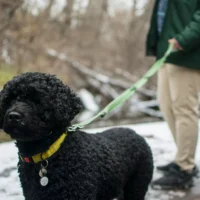


Few things are more enjoyable than taking a nice stroll with your dog. On the other paw, few things are more frustrating than being dragged down the street by an overexcited pup. At Hobe Sound Veterinary Clinic, our veterinarians in Hobe Sound, FL have quite a few patients who could work on their petiquette. often hear from families struggling with pulling, lunging, and tangled leashes. The good news is that with patience, consistency, and positive reinforcement, dog leash training can transform walks into stress-free adventures.
Whether you’re working on leash training for puppies or helping an older dog break old habits, teaching polite leash manners is possible. With the right walking dog tips and guidance from your veterinary team, your pup can learn to stroll calmly by your side.
Why Dogs Pull on Leash
Understanding why your dog is pulling is the first step toward fixing it. Most of the time, pulling behaviors aren’t about dominance; they’re about excitement and curiosity. There are a few things to keep in mind, though. For one thing, dogs naturally walk faster than humans, so pulling can be an attempt to set the pace. Smells, sights, and sounds outdoors create constant distractions for Fido, and it doesn’t take much for him to fixate and hone in on whatever caught his attention.
Your pet’s past education also comes into play. Inconsistent handling teaches dogs that sometimes pulling works, and a lack of early training may mean that Fido just never learned how to walk politely.
Recognizing these causes helps you create a plan that addresses your pup’s unique needs.
Leash Training for Puppies
The best time to start leash training is during puppyhood. Early practice helps build positive habits that last a lifetime!
Training requires patience and consistency, as well as a good step by step approach. Introduce the leash and collar or harness indoors where it’s quiet. Let your puppy drag it around under supervision to get used to the feeling.
When you start taking your pup for walks, always reward Fido for staying close by using small treats when your puppy walks at your side. Keep sessions short and sweet. Young puppies learn best in 5–10 minute increments. It’s also best to practice in low-distraction areas before heading into busy neighborhoods.
Always reward your pet. Make it fun by pairing leash walks with praise and play. Treats can also go a long way. Use small snacks to ovoid overfeeding your cute pupil.
Stopping Dogs From Pulling: Practical Techniques
For older dogs or persistent pullers, consistent practice is key. We do know a few proven methods for stopping dogs from pulling.
The biggest thing is to stop moving when the leash tightens. Don’t allow your pup to drag you forward. Wait until the leash slackens, then continue. Also, be sure to change direction frequently. Turning around teaches your pup to pay attention to your movements. Use high-value treats to reward walking beside you. Timing matters — reward while your pup is in the correct position. Finally, stay consistent. Mixed messages (sometimes allowing pulling, sometimes correcting it) confuse your dog.
Over time, your canine companion will learn that walking politely gets him where he wants to go faster than pulling will.
Choosing the Right Equipment
The right gear makes leash training easier and safer. Front-clip harnesses discourage pulling by redirecting forward motion. Hands-free leashes are useful for joggers or anyone who wants their hands free while retaining control over their pet. Avoid choke chains or prong collars unless directed by a professional, as these can cause injury and increase anxiety.
Retractable leashes are great in some situations but can be dangerous in others. Don’t use these near dangerous areas, such as along busy roads or riverbanks. They also aren’t good for places with a lot of dogs, as Fido may get tangled up.
Walking Dog Tips for Success
Consistency and planning make every walk more enjoyable. Set a regular walking schedule so your pup knows what to expect. When training Fido, start with shorter walks and gradually increase duration. We would also suggest that you bring training treats to reinforce good behavior.
Remember to give Fido time for sniffing breaks. Walks are about more than exercise; they’re about mental stimulation, too. Let him sniff the neighbor’s yard! It’s also important that you stay patient and positive. Punishment undermines trust and progress.
Last but not least, just enjoy the time! Savor these moments with your furry friend.
These small adjustments build a foundation for leash manners that last. You’ll also enjoy being in better shape, as will your pet. Click here to see another blog on keeping Fido fit.
Turning Walks Into Learning Opportunities
Walks aren’t just about burning energy. They’re great training opportunities! Incorporating commands like “Sit,” “Stay,” or “Leave it” will help reinforce good obedience in real-world settings. Practice loose-leash walking in different environments so your pup learns to focus even with distractions.
This approach strengthens your bond while giving your dog valuable mental exercise.
When to Seek Professional Help
Sometimes leash pulling persists despite your best efforts. Professional trainers and veterinarians can step in with specialized advice. If your dog lunges aggressively at other dogs or people, shows signs of fear or anxiety on walks, is too strong to control safely, and/or fails to progress after consistent training efforts.
Professional support ensures safety while making training more effective.
The AKC has a piece about training Fido to walk on a leash here. Whole Dog Journal has an interesting piece on leash manners here.
Fun Fact: Dogs Smell More Than We See
A dog’s sense of smell is up to 100,000 times more powerful than ours. That means every bush, fire hydrant, and patch of grass is a storybook of scents. Allowing safe sniffing breaks not only reduces pulling but also provides valuable enrichment.
FAQs About Dog Leash Training
How long does it take to train a dog to walk nicely on leash?
It varies. Puppies may catch on in weeks, while older dogs with ingrained habits may take months.
Should I let my dog sniff on walks?
Yes. Sniffing provides mental stimulation. Balance sniff breaks with structured walking.
Is a harness better than a collar for leash training?
For many dogs, yes. A front-clip harness offers more control and discourages pulling without causing discomfort.
Can all dogs learn to walk on leash?
Absolutely. With patience and consistency, dogs of all ages can improve their leash manners.
What should I do if my dog pulls toward other dogs?
Redirect with treats, increase distance, and reward calm behavior. Professional guidance may be needed for reactivity.
Visit Our Hobe Sound Veterinary Clinic for Training Support
If you’ve been searching for a “vet near me” because walks have become a tug-of-war, Hobe Sound Veterinary Clinic is here to help. Serving Hobe Sound, FL, our veterinarians provide personalized dog leash training advice, support for leash training for puppies, and effective strategies for stopping dogs from pulling. Call today to schedule an appointment and make your next walk a calm, enjoyable experience.
Click here to visit our Service page and find out more about our clinic and the animals we treat. You can also go here to learn more about our Nutrition and Weight Management services.
This blog is for informational purposes only. Always consult your veterinarian for behavior guidance, medical considerations, and training plans tailored to your pet.