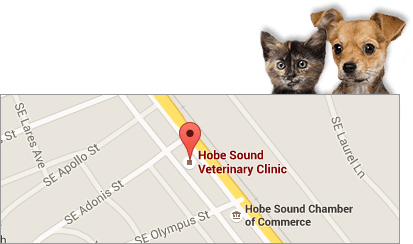


Does your pooch have a way of getting you to share your cheeseburger, or perhaps fork over yummy treats on demand? When your pup looks at you with those pleading eyes, it’s easy to cave in and slip them an extra treat or two. While love and food often go hand-in-paw when it comes to dog care, it’s important not to go overboard. Too many indulgences can lead to serious health problems. At Hobe Sound Veterinary Clinic, our Hobe Sound, FL pet clinic, and see firsthand how important dog obesity prevention is for keeping pets happy, active, and healthy.
Obesity in dogs isn’t just about carrying extra pounds. It can contribute to arthritis, diabetes, heart disease, and a shortened lifespan. The good news? With the right approach to dog weight management and consistent healthy dog diet tips, you can help your furry bestie thrive at every age.
Why Dog Obesity Happens
Weight gain in dogs can sneak up over time. Some common causes include:
- Overfeeding or frequent treats that add unnecessary calories
- Lack of exercise or a mostly sedentary lifestyle
- Age-related changes that slow metabolism
- Underlying health conditions such as thyroid disease
By recognizing these factors early, you can take steps toward preventing overweight dogs before health problems develop.
Dog Weight Management Strategies
Helping your canine companion maintain a healthy weight requires a team effort between you and your veterinarian. Some of the best (and most practical) dog weight management strategies include measuring food portions carefully instead of free-feeding; using vet-recommended foods that provide balanced nutrition; and scheduling regular weigh-ins at your local veterinary clinic.
Treats are fine, but don’t overdo it. Consider replacing high-calorie treats with lower-calorie options like carrots or green beans
Consistency is key. Regular monitoring and adjustments help ensure your canine buddy stays on track with weight goals.
Healthy Dog Diet Tips
What goes into your pup’s bowl makes a big difference. By following healthy dog diet tips, you can give your four-legged friend the nutrition they need without overloading on calories. Stick to a regular feeding schedule. Giving Fido two meals a day will help keep him from constant grazing. Choose vet-approved foods with high-quality protein and fiber to keep your pooch satisfied. Also, limit table scraps and fatty foods: these can add up fast, and cause your pooch to gain additional weight. Work with your veterinarian to determine the best diet for your dog’s age and activity level
Balanced nutrition is crucial: a good diet gives Fido the energy he needs and supports his long-term wellness. Keeping Fido hydrated is also very important. You can read more about keeping pets hydrated at the Purina Institute’s website here. The Pet Food Institute has a helpful article on hydration here.
Fitness for Preventing Obesity In Dogs
When it comes to preventing canine obesity, exercise is just as important as diet. Your pup’s exercise routine should match their age, breed, and health status. The good news, is this can be fun for both you and Fido. There are plenty of options. Daily walks are the baseline here. Varying the length and pace of those strolls will keep things interesting.
- Play sessions with fetch, Frisbee, or tug-of-war
- Interactive toys that encourage activity indoors
- Dog sports like agility or swimming for high-energy pups
By making fitness a fun part of daily life, you’ll strengthen your bond while supporting your pup’s overall health.
You will need to adjust your pet’s fitness schedule seasonally. Click here to explore another blog on helping your furry friend beat the heat.
Fun Fact: Over Half of U.S. Dogs Are Overweight
The Association for Pet Obesity Prevention estimates that over 50% of dogs in the United States are overweight or obese. This makes dog obesity prevention one of the top wellness priorities at veterinary clinics nationwide.
FAQs About Dog Obesity Prevention
How can I tell if my dog is overweight?
You should be able to feel your pup’s ribs without pressing hard, and they should have a visible waistline when viewed from above.
Are certain breeds more prone to obesity?
Yes, breeds like Labradors, Beagles, and Dachshunds are more likely to gain weight.
How much exercise does my dog need?
Most dogs benefit from at least 30 minutes to an hour of daily exercise, but requirements vary by age and breed.
Can obesity shorten a dog’s life?
Yes. Obesity increases the risk of chronic diseases that can significantly reduce lifespan.
Visit Our Hobe Sound Veterinary Clinic
If you’ve been searching for a “vet near me” to help your pup stay fit, turn to Hobe Sound Veterinary Clinic. Our veterinarians in Hobe Sound, FL offer personalized dog obesity prevention plans, healthy dog diet tips, and ongoing dog weight management support. Call today to schedule a consultation and help your four-legged buddy enjoy a healthier, more active life.
Click here to visit our Service page and find out more about our clinic and the animals we treat. You can also go here to learn more about our Nutrition and Weight Management services.
This blog is for informational purposes only. Always consult with your veterinarian for medical advice, diagnosis, and treatment recommendations specific to your pet.