

Florida summers are known for their intense sun and high humidity. While many of us beat the heat with cold drinks and air conditioning, our pets do not have the ability to get themselves a glass of ice water or turn down the AC. They depend on us to keep them cool and safe. At Hobe Sound Veterinary Clinic, your Jupiter Island, FL vet clinic, summer heat is an ongoing risk to our furry patients. we often emphasize that dehydration is one of the most common and dangerous risks pets face during hot weather. With the right pet hydration tips, you can help your furry friends stay comfortable and healthy all summer long. Hydration is key here: it isn’t just about comfort, but is a lifesaving part of summer pet care.
Why Hydration Is So Important for Pets
As we all know, water is absolutely essential for survival. It is essential to nearly every bodily system and function. It helps by regulating body temperature, supporting digestion and nutrient absorption, maintaining circulation, flushing toxins through the kidneys and urinary tract.
Dogs and cats are more vulnerable to heat stress because they can’t cool themselves as efficiently as humans. Without proper hydration, the risk of preventing pet dehydration becomes a daily concern.
Signs of Dehydration in Pets
Recognizing dehydration in pets early allows you to act before it becomes a medical emergency. Some of the common signs include
dry gums or nose, loss of skin elasticity (skin doesn’t snap back when gently lifted), lethargy, weakness, panting, erratic behavior or vocalizations, sunken eyes, reduced urination, darker urine, and trembling.
If your pet shows these any of these symptoms, offer water immediately, and contact your veterinarian. It’s best to reach out to your pet clinic even if your furry pal does seem to improve quickly, just to play it safe.
Dog Hydration in Summer
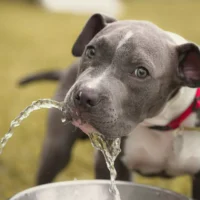
Dogs cool themselves primarily through panting. Fido can become dehydrated rapidly in the Florida heat. Making sure your pup always has plenty of fresh water is crucial, and is the most important thing.
Some other helpful dog hydration in summer strategies include:
- Carry portable water bottles and bowls on walks and trips.
- Offer frequent water breaks during outdoor play or walks.
- Limit your dog’s outdoor time when it’s really hot.
- Provide shaded rest areas when Fido is outdoors.
- Add ice cubes to water bowls for cooler refreshment.
- Offer frozen treats like ice cubes made with low-sodium broth (with vet approval).
Cat Hydration Tips
Cats can be especially tricky, because they tend to drink less than dogs. In the wild, they eat their prey fresh, which provides moisture and nutrition. Pet kitties often need to be encouraged to drink.
Here are a few tips:
- Use multiple water bowls around the house to encourage drinking.
- Try a pet fountain. Many cats prefer running water!
- Consider switching to wet food or adding water to kibble.
- Offer ice cubes to play with and lick for enrichment and hydration.
- Keep bowls clean and refresh water at least once a day. Cats are very sensitive to odors and stale water.
These small adjustments help make hydration more appealing to picky felines.
Preventing Pet Dehydration Outdoors
Outdoor adventures can be risky during hot weather, but you can have fun with Fido.
Here are a few steps for preventing pet dehydration include:
- Walk dogs early in the morning or later in the evening when temperatures are cooler.
- Limit outdoor play during midday heat.
- Provide shade and water stations in yards or patios.
- Avoid taking your dog onto hot pavement or sand.
Always bring fresh water with you. Don’t rely on public fountains or natural sources, which may be broken or unsafe. It’s a good idea to keep a few gallons in your car, just as a basic precaution.
You can read more about keeping pets hydrated at the Purina Institute’s website here. The Pet Food Institute has a helpful article on hydration here.
Hydration for Senior Pets
Older pets are especially vulnerable to dehydration. Senior dogs and cats may have reduced thirst drive. Some have chronic health conditions, or take medications that affect their fluid balance. You may want to add moisture to meals, which you can do by incorporating broth or wet food. It’s also important to have water bowls on every level of the home, so your pet doesn’t have to navigate stairs every time they need to drink. Finally, keep a close eye out for early dehydration signs, since seniors may decline more quickly than their younger counterparts.
Indoor Cooling and Hydration Support
Making sure your pet is drinking enough water is crucial, but that isn’t the only thing you need to do when temps rise. Keeping your pet cool is also crucial. Keep air conditioning or fans running during hot afternoons, and offer cooling mats or damp towels for lounging. You may also want to create cozy, shaded resting areas away from direct sunlight.
These environmental changes reduce your pet’s water needs by helping them stay cooler in the first place.
Fun Fact: Cats in the Wild Get Most of Their Water From Food
Cats were originally desert animals, and they evolved to obtain hydration through prey. They also tend to be a bit skittish about water. That makes sense, for a few reasons. For one thing, ponds and rivers could be hiding predators. Running water is less likely to be contaminated, but it can also be dangerous, as kitties could easily get swept away. Finally, cat fur gives off a distinct odor when wet, which may also attract predators. This instinct explains why many domestic cats prefer wet food and running water sources to plain bowls.
Click here to see what our previous blog said about seasonal pet care.
FAQs About Pet Hydration Tips
How much water should my pet drink daily?
Dogs generally need 1 ounce of water per pound of body weight daily. Cats need about 3–4 ounces per 5 pounds of body weight. Make sure fresh water is always available. Refilling bowls at the same time each day can help you monitor their water intake.
Can I flavor my pet’s water to encourage drinking?
Yes, adding a small amount of low-sodium broth can entice pets, but check with your veterinarian first.
Is milk a good substitute for water in cats?
No. Many cats are lactose intolerant, so milk can cause digestive upset. Stick to fresh water.
What if my dog or cat refuses to drink water?
Try different water, just in case there is a taste or scent causing their reluctance. If that doesn’t change anything, contact your veterinarian immediately. This could be a sign of a serious medical emergency.
Are electrolyte solutions safe for pets?
Some pet-specific electrolyte solutions are safe, as is sodium-free broth. However, this isn’t something to take chances on. You should always consult your vet before using them.
Visit Our Jupiter Island Veterinary Clinic for Summer Care
If you’ve been searching for a “vet near me”, Hobe Sound Veterinary Clinic is here to help. Serving Jupiter Island, FL, our veterinarians provide excellent care. Call today to schedule a wellness exam and keep your pets safe and healthy in that Florida sun.
Click here to visit our Service page and find out more about our clinic and the animals we treat. You can also go here to learn more about our Nutrition and Weight Management services.
This blog is for informational purposes only. Always consult your veterinarian for diagnosis, treatment, and care recommendations tailored to your pet’s needs.